











Mazda’s connection between car and driver
What Is Jinba Ittai? The Mazda Philosophy Behind Every Drive
Jinba Ittai means “horse and rider as one”. For Mazda, it describes the intuitive connection created when a vehicle responds naturally and confidently to the person behind the wheel.
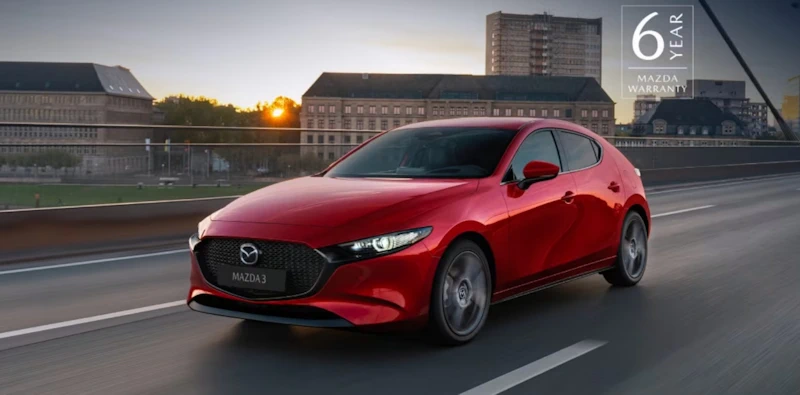
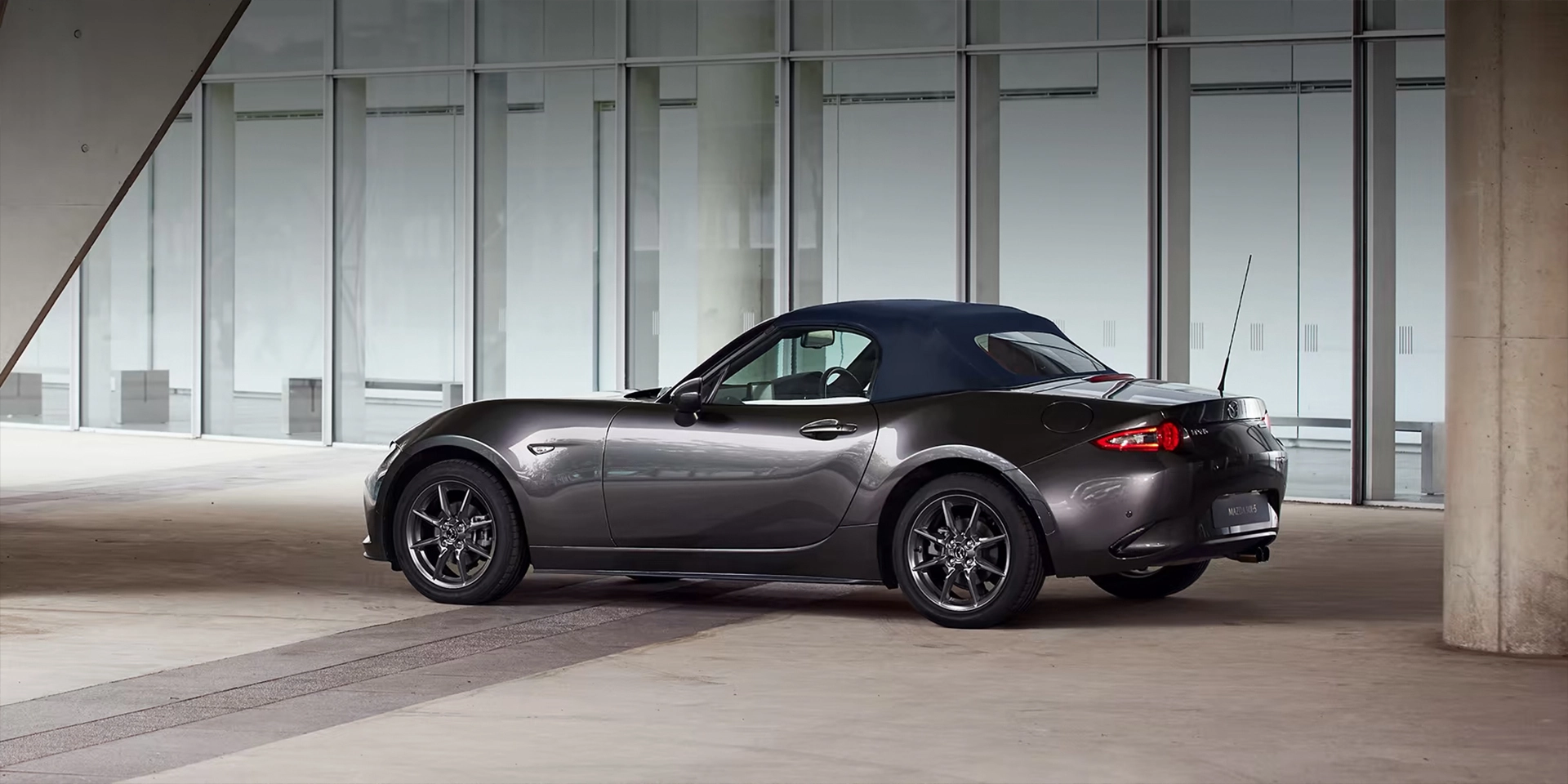
First associated with the MX-5, the philosophy now influences every Mazda—from the Mazda3 and all-new CX-5 to the CX-80 and electric Mazda6e.[1]
The quick answer
What Is Jinba Ittai?
Jinba Ittai is Mazda’s phrase for the feeling that car and driver are moving as one. It translates as “horse and rider as one” and was first coined during development of the MX-5 before becoming a principle applied across the Mazda range.[1]
It is not a single feature, drive mode or piece of technology. It is the result of many decisions working together: where the driver sits, how the pedals align with the body, the weight and response of the steering, the way the chassis settles through a corner and how quickly information can be understood.
The aim is simple: a Mazda should respond in a way that feels predictable and natural. When the vehicle behaves as expected, the driver can concentrate more fully on the road and the journey itself.
More than “sporty”
Jinba Ittai can mean agility in an MX-5, calm stability in a CX-80 or smooth, immediate response in the electric Mazda6e. The common thread is confidence rather than outright speed.
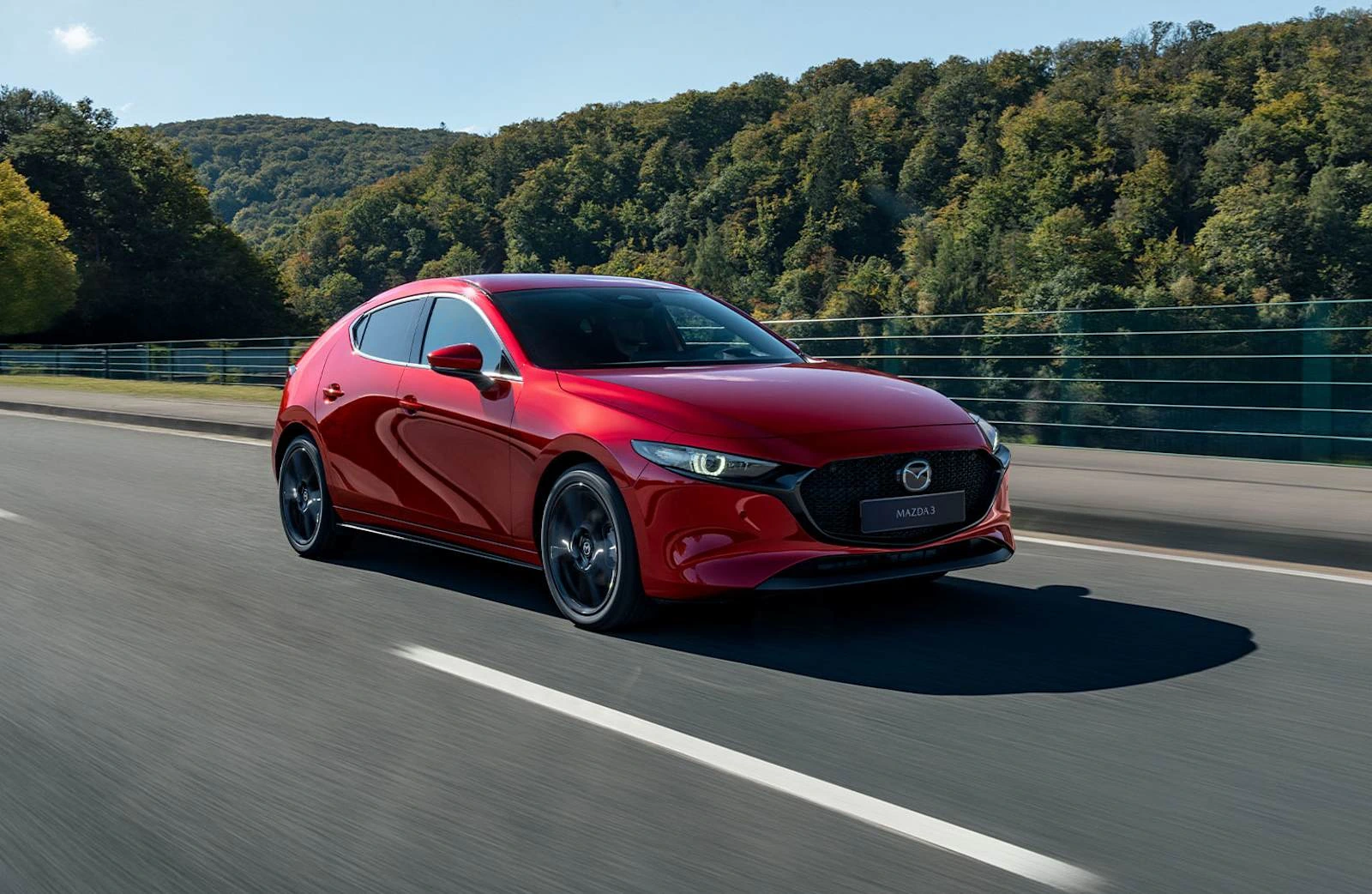
How Mazda engineers the feeling
Designed Around Natural Human Movement
Mazda’s current brand language describes Jinba Ittai as the unity created when a vehicle responds exactly as intended.[2] That idea shapes the physical relationship between the driver, the controls and the road.
Driving Position
Seat, steering wheel and pedal alignment are developed to support a natural posture and make accurate inputs easier.
Predictable Response
Steering, braking, power delivery and suspension are tuned to behave consistently rather than surprise the driver.
Clear Information
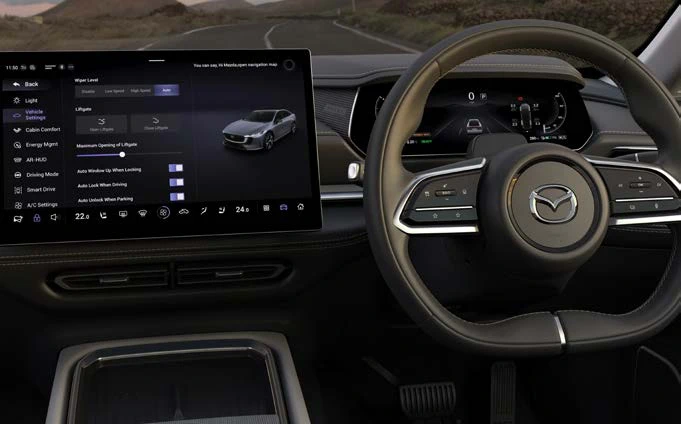
Displays and controls are positioned to present useful information with minimal unnecessary eye movement or distraction.
Body Control
Technologies such as Kinematic Posture Control help larger Mazda models remain composed when cornering.[5]
Personal Fit
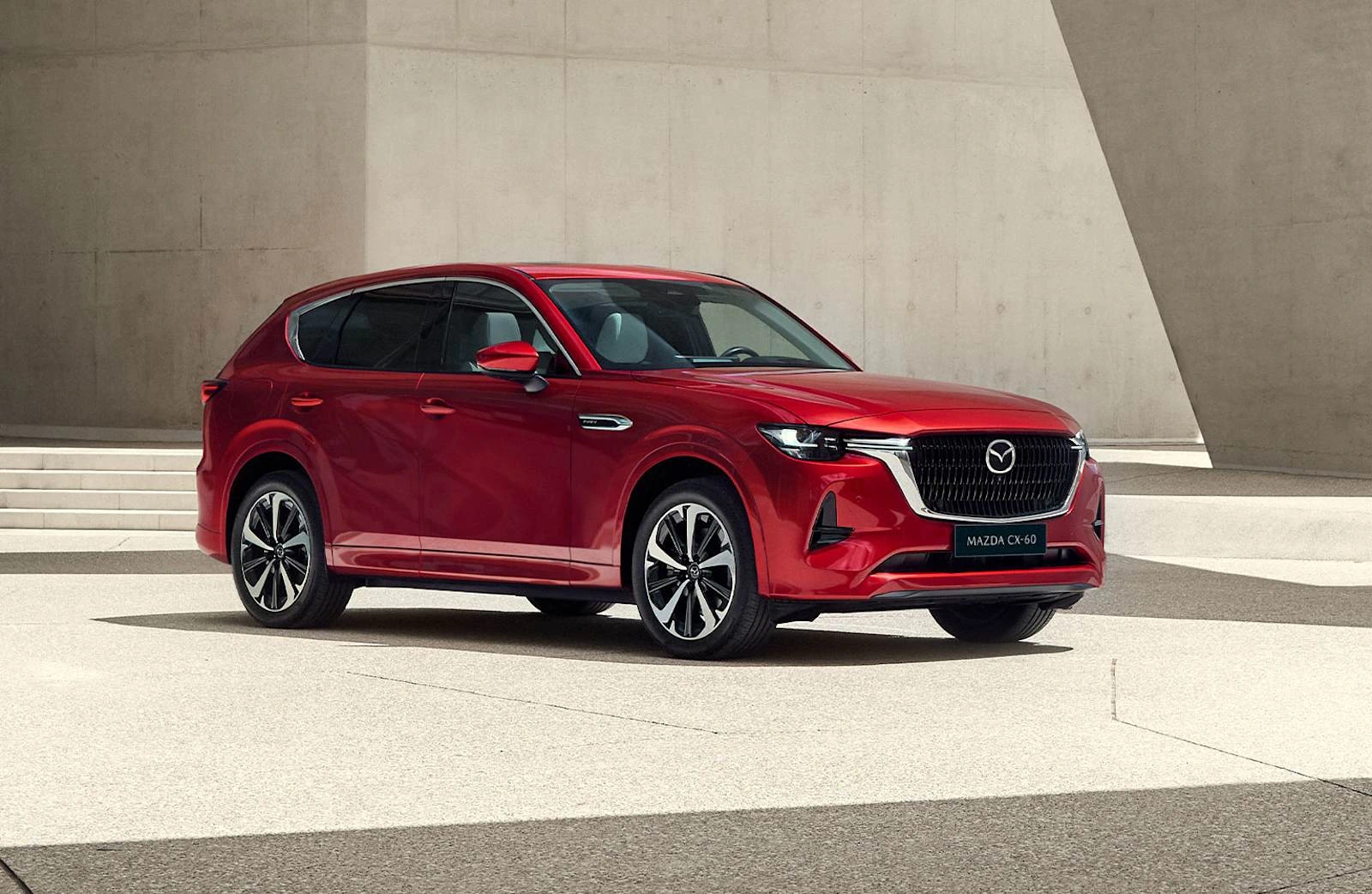
Driver Personalisation in models such as CX-60 and CX-80 can adjust the seat, steering wheel and mirrors around the person behind the wheel.[4]
Everyday Comfort
A controlled, stable vehicle can feel more relaxing on a commute or motorway journey as well as more enjoyable on a winding road.
Across the current range
One Philosophy, Different Expressions
Mazda applies the same driver-first thinking differently according to the size, purpose and powertrain of each vehicle.
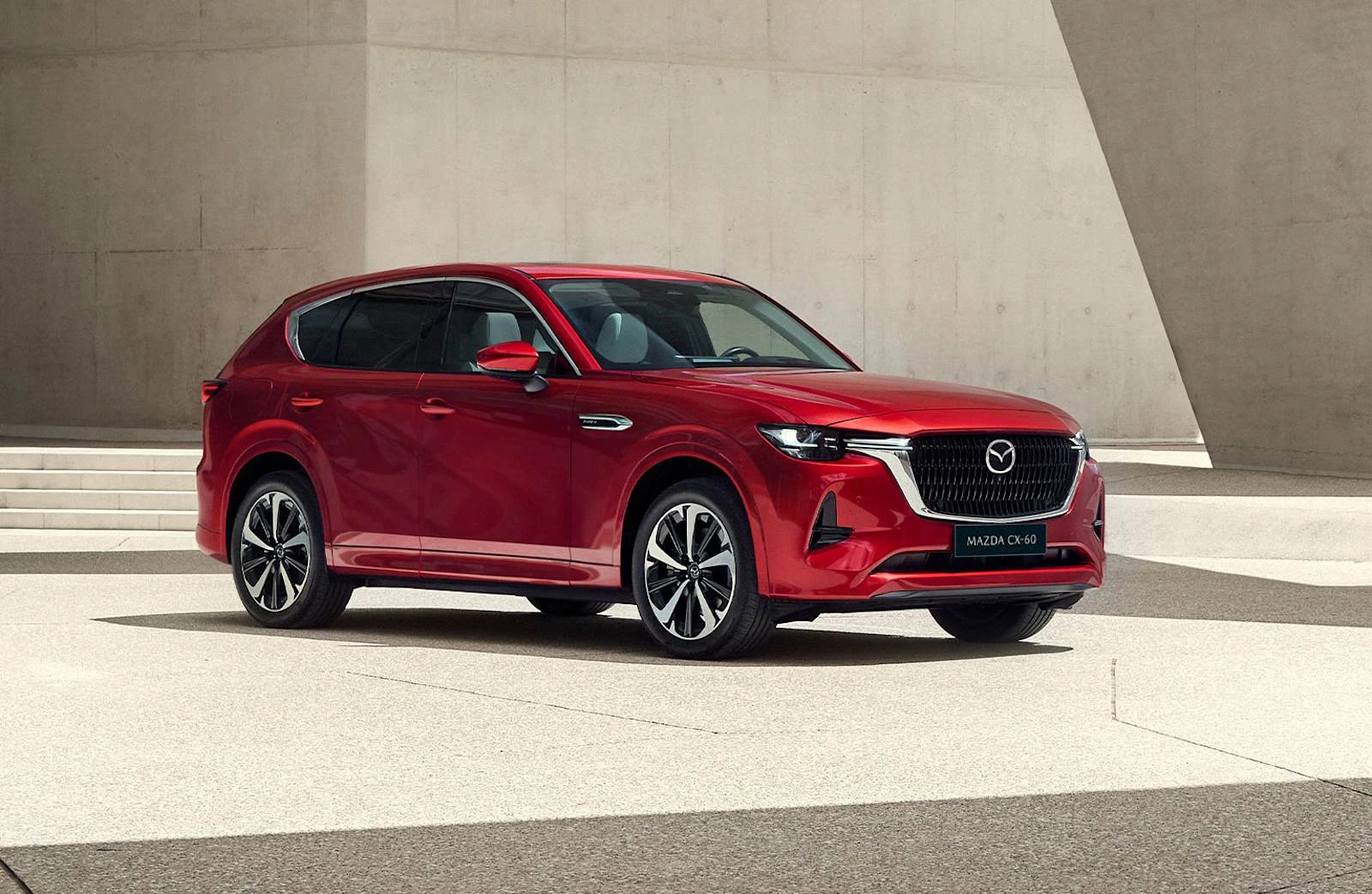
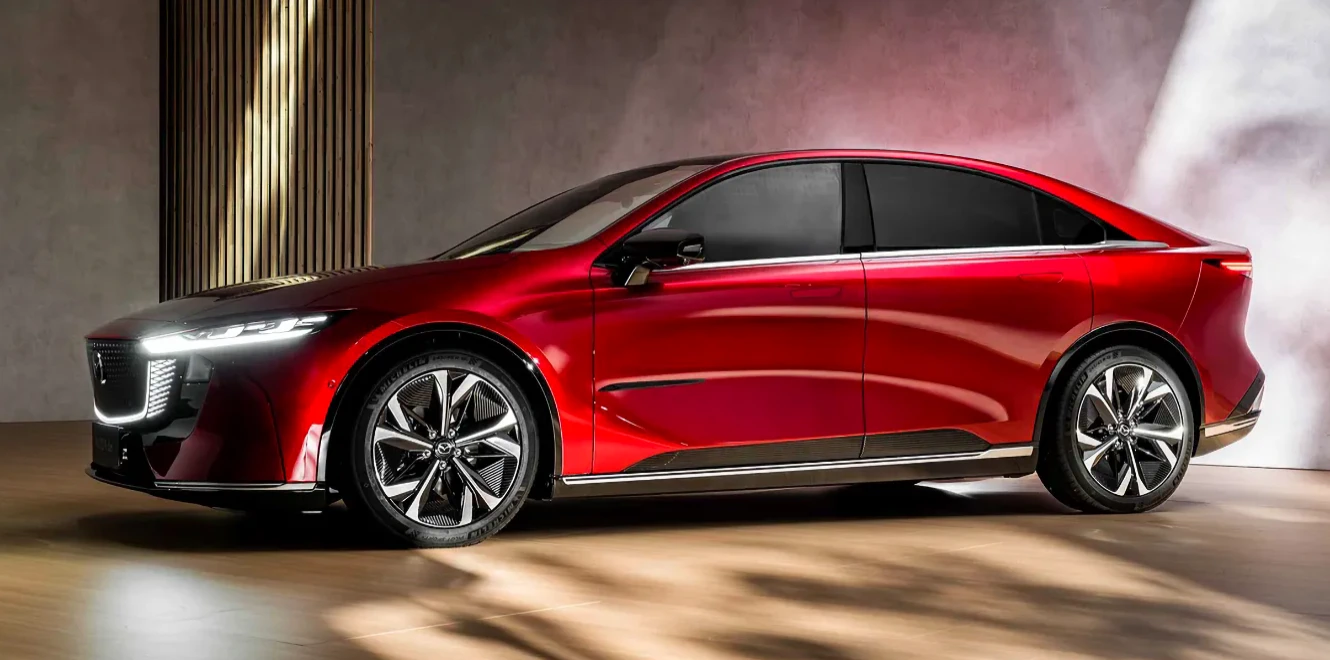
Mazda6e
Electric power changes the sound and delivery of performance, but Mazda still places unity, response and driver confidence at the centre of the experience.[6]
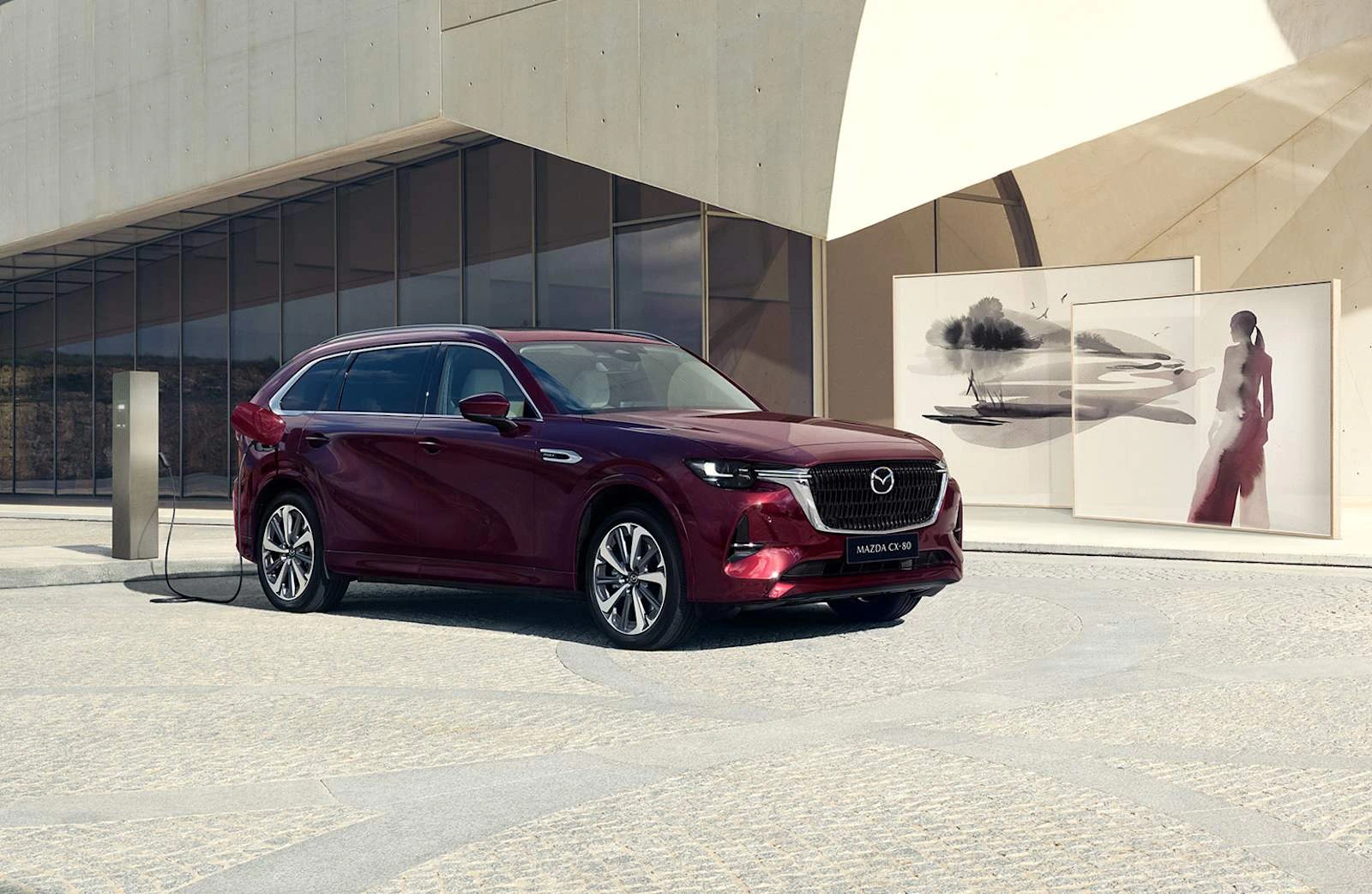
Family Mazdas
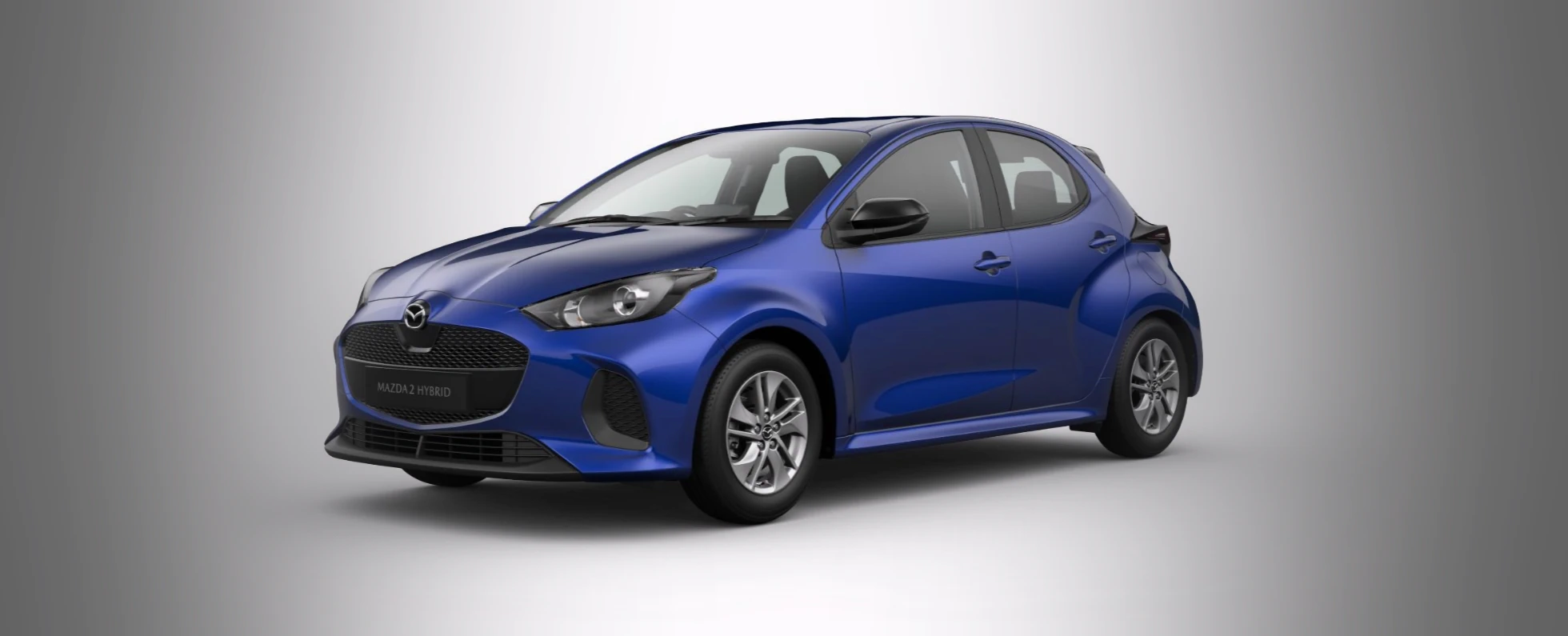
In a practical Mazda, Jinba Ittai is expressed through stability, visibility, easy manoeuvring and controls that help a busy journey feel manageable.
Why guests notice it
A Feeling Specifications Cannot Fully Explain
Two cars can have similar power, equipment and dimensions yet feel very different from behind the wheel. Jinba Ittai is Mazda’s way of treating that less measurable part of the experience as an engineering priority.
Guests may notice that the vehicle is easy to place on the road, that the steering response builds naturally or that the driving position feels comfortable without repeated adjustment. None of those impressions belongs to one headline feature; they come from the vehicle working as a coherent whole.
That is why the philosophy is best understood on a test drive rather than from a specification table alone.
Frequently asked questions
Jinba Ittai Questions Answered
Useful answers about the meaning, origins and modern application of Mazda’s driver-first philosophy.
What does Jinba Ittai mean?
Jinba Ittai translates as “horse and rider as one”. Mazda uses the phrase to describe an intuitive connection in which the vehicle responds naturally to the driver’s intentions.
Did Jinba Ittai begin with the Mazda MX-5?
Mazda says the phrase was first coined during development of the MX-5, although the philosophy now guides the design and engineering of every Mazda model.
Is Jinba Ittai only about sporty driving?
No. It also covers seating position, visibility, control placement, steering response, ride comfort and the way information is presented to the driver.
How does Jinba Ittai apply to an SUV?
Mazda uses chassis tuning, driver-focused ergonomics and technologies such as Kinematic Posture Control and Driver Personalisation to maintain a natural sense of control in larger vehicles.
Does Jinba Ittai apply to electric cars?
Yes. Mazda presents the Mazda6e as an electric expression of the same driver-and-car unity, combining quiet electric performance with responsive control and human-centred design.
How can I experience Jinba Ittai?
The clearest way is to test drive more than one Mazda and pay attention to seating position, steering response, visibility, brake feel and how naturally the controls fall to hand.
References
Sources and Further Reading
The article has been checked against current official Mazda UK information and relevant independent safety material.
- 1
Mazda Dictionary: Jinba IttaiMazda UK
- 2
The Mazda BrandMazda UK
- 3
- 4
- 5
Mazda CX-80 driving dynamicsMazda UK
- 6
The all-new Mazda6eMazda UK
- 7
New Mazda range at Invicta MotorsInvicta Motors
Experience Mazda for yourself
Feel the Difference Behind the Wheel
Explore the current Mazda range and arrange a test drive through your nearest Invicta Mazda retailer.