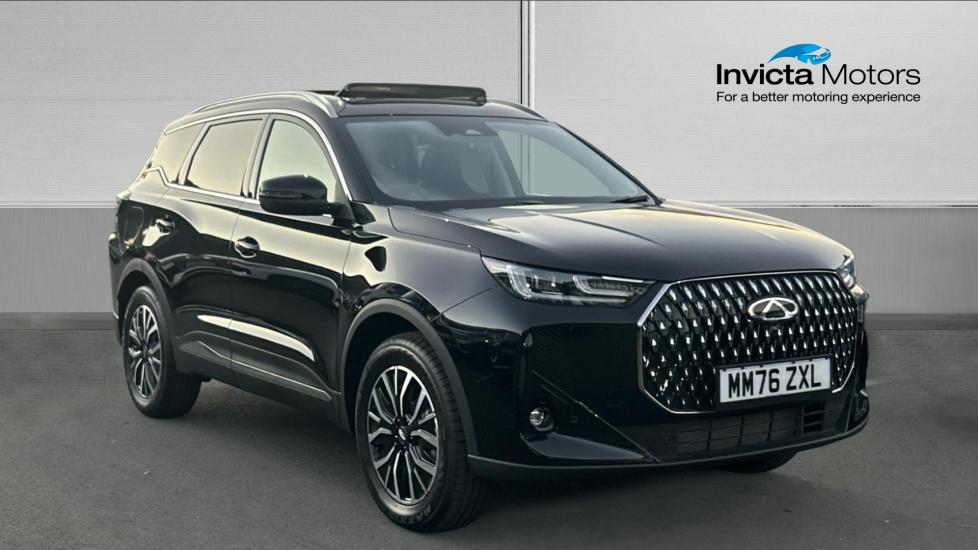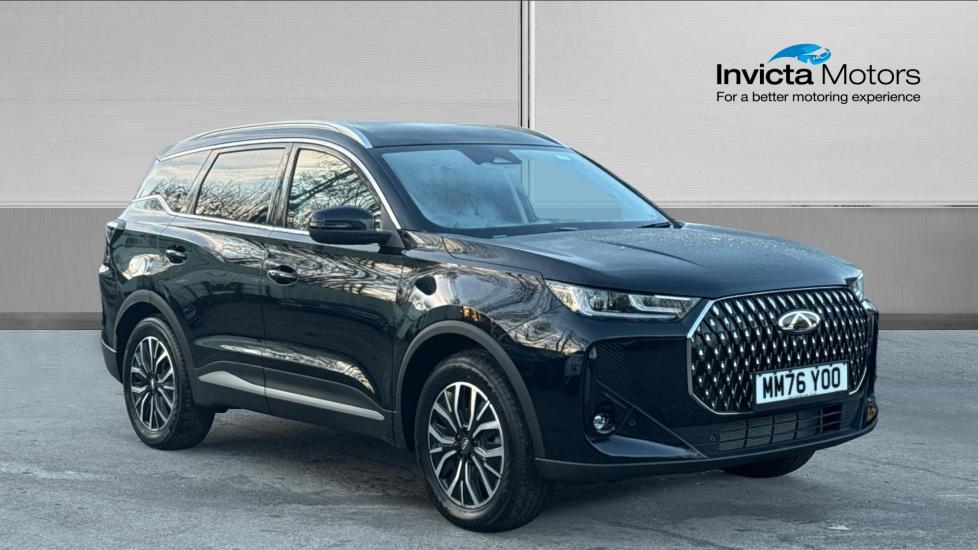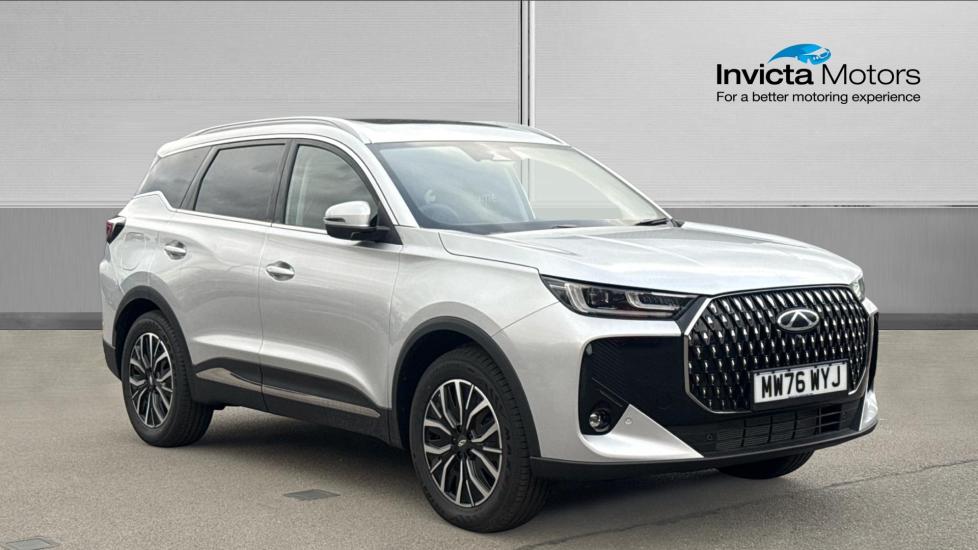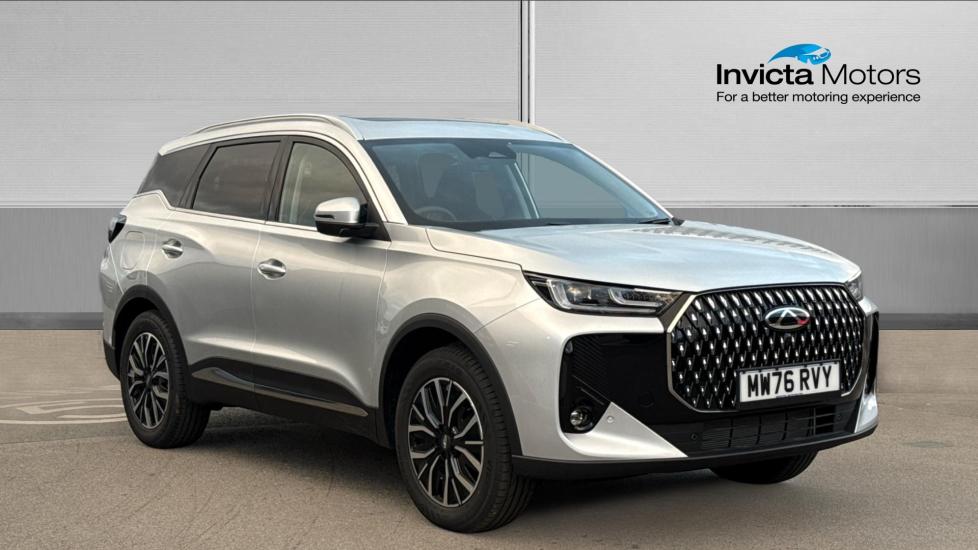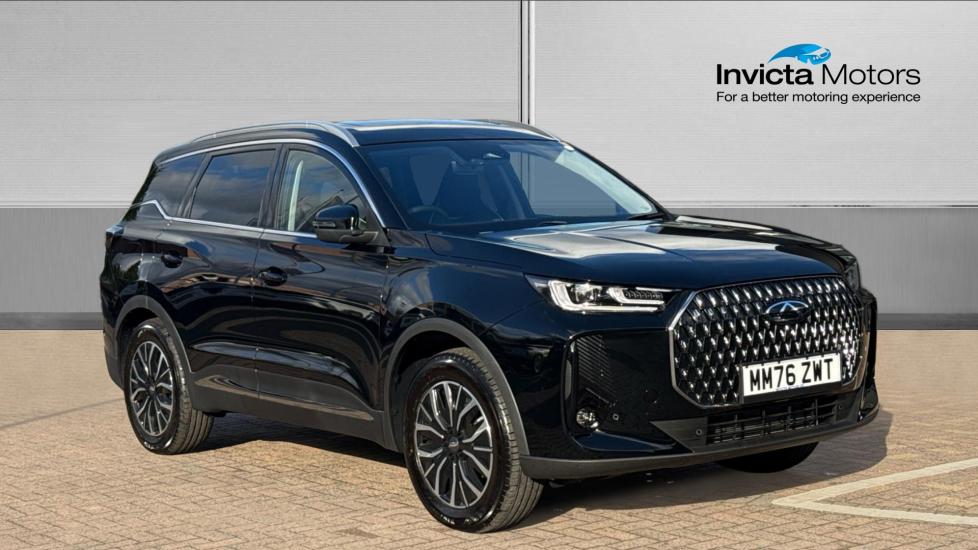





Invicta Motors · CHERY
Chery Tiggo 7 hybrid vs petrol: key differences explained
What is the difference between the Chery Tiggo 7 hybrid vs petrol? The plug-in hybrid reduces petrol use and suits short journeys with regular charging. The petrol version is simpler, offers more boot space and removes the need to plug in, which makes it easier for unpredictable routines.
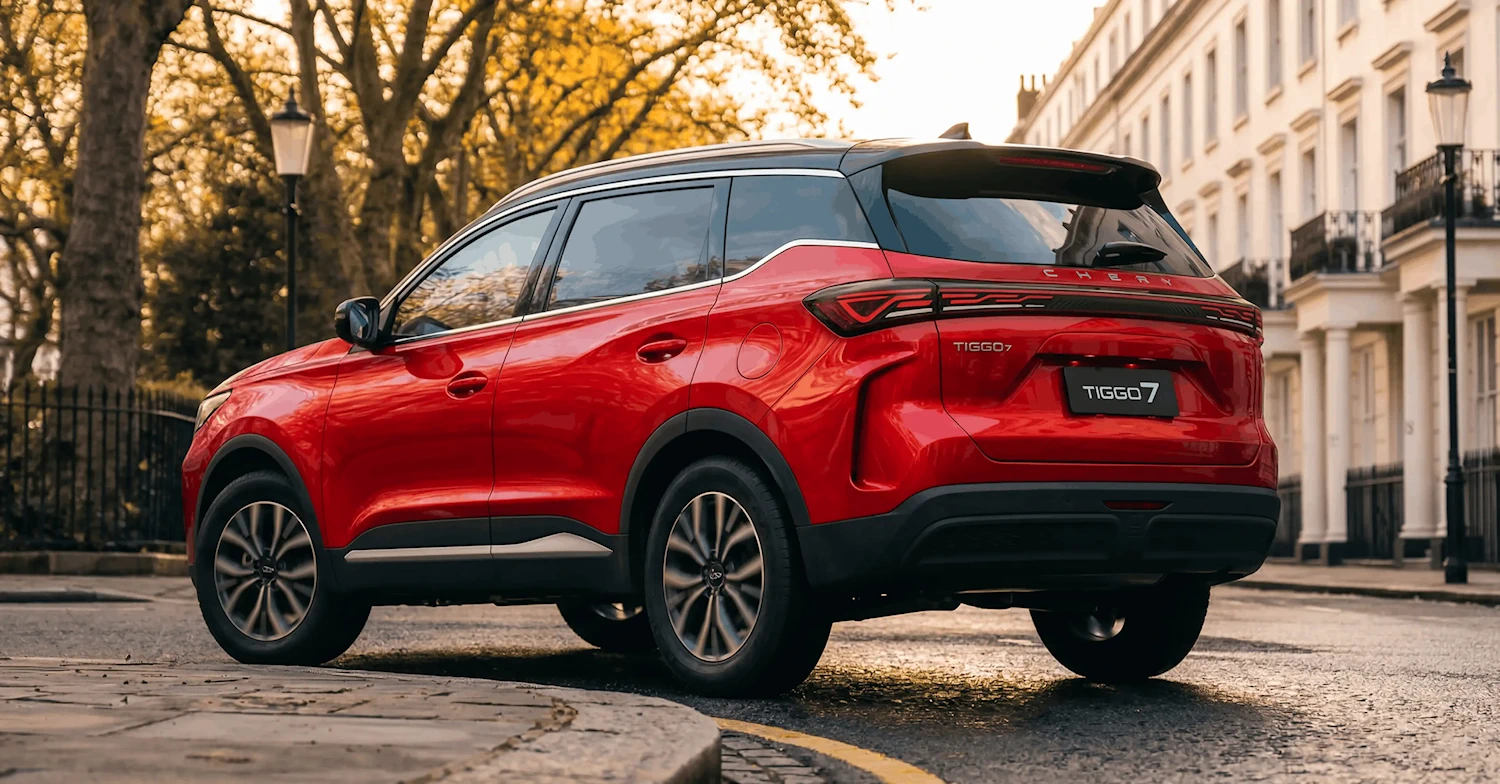
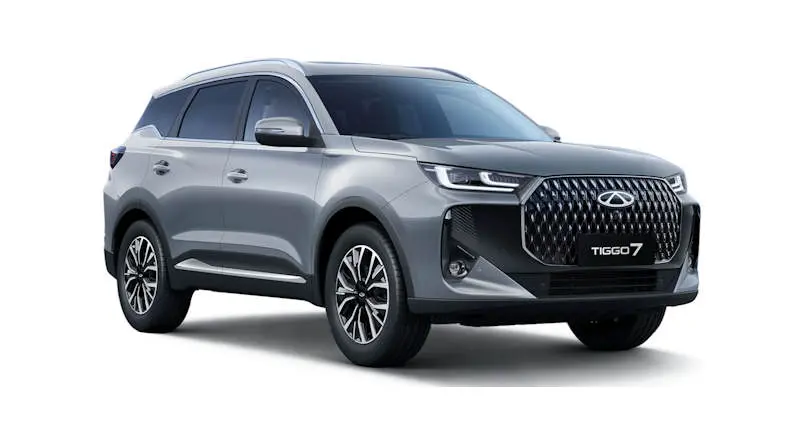
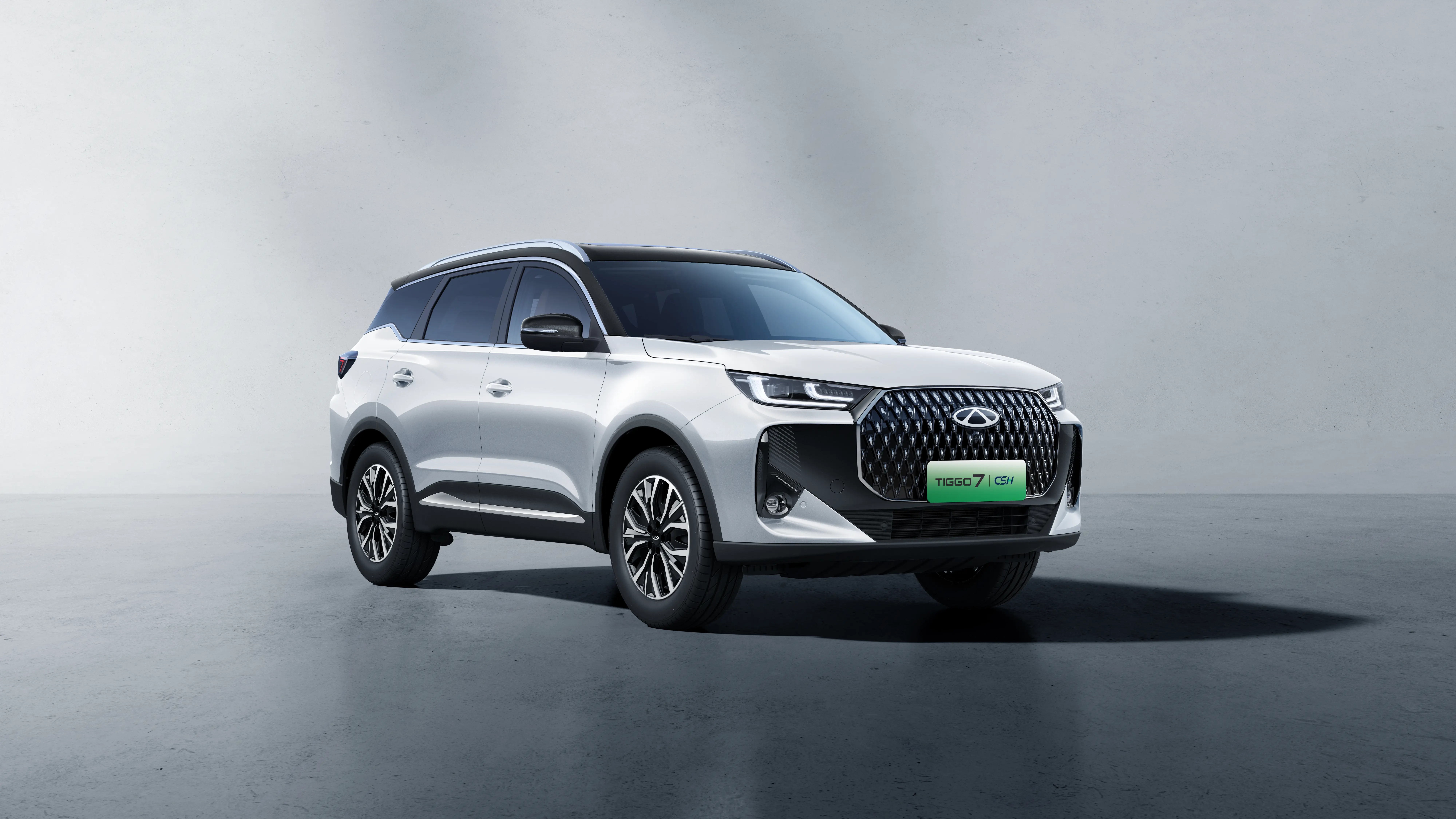
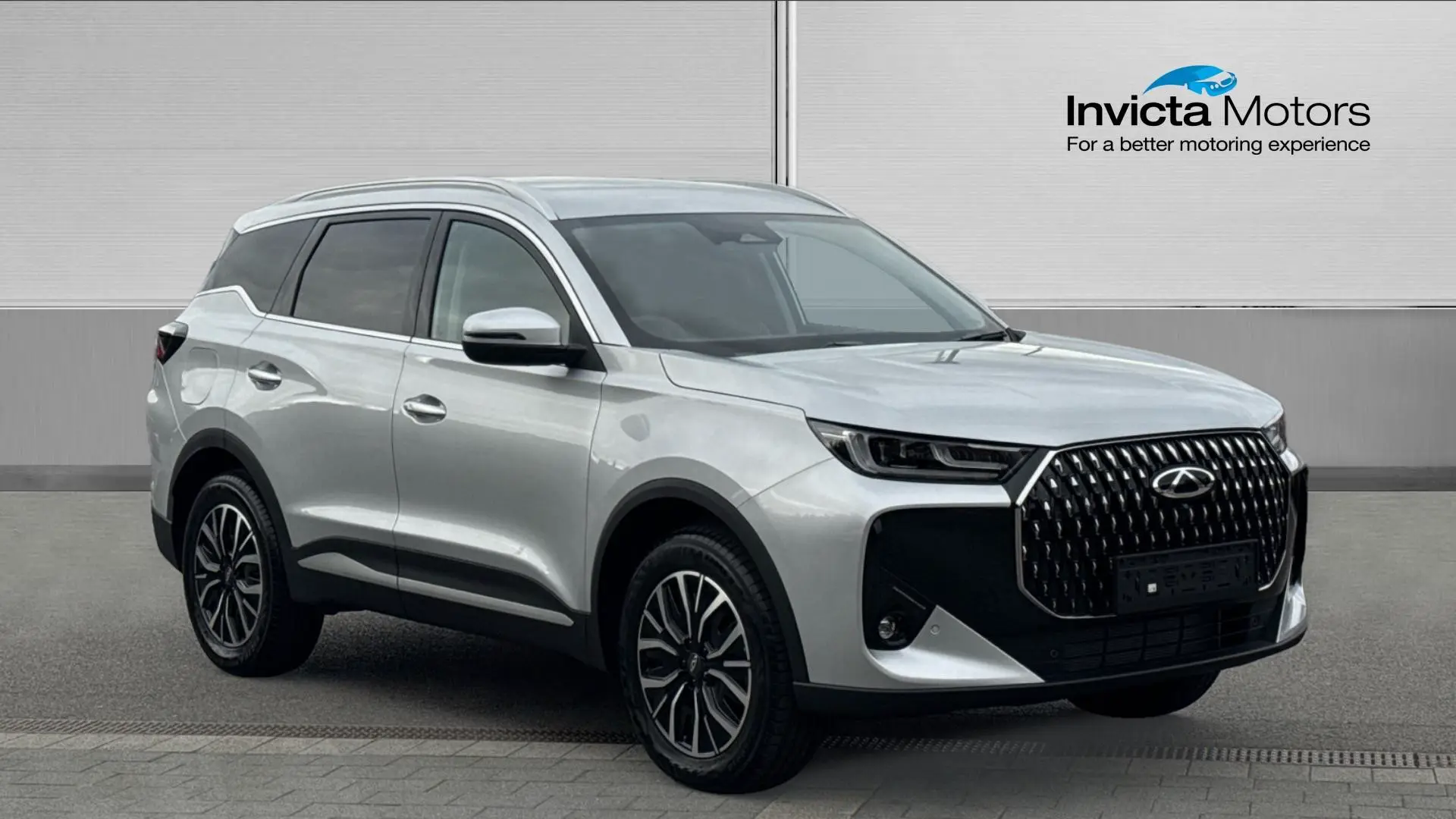
Chery Tiggo 7
At a glance
- Up to 56 miles: official electric range for the Super Hybrid
- 565 litres: petrol boot space quoted by one UK review source
- £24,995 vs £29,995: representative price gap between petrol and Super Hybrid
The choice between the CHERY TIGGO 7 hybrid and petrol models comes down to your routine. The TIGGO 7 is sold in the UK as a 1.6-litre petrol or as a Super Hybrid plug-in hybrid, and the better fit depends on how often you can charge, how far you drive and whether you want electric driving for local trips.
If you are comparing the TIGGO 7 for family use, that is enough to narrow it down. See the car in person and compare the latest specification, availability and offers with the Invicta Motors team.
Expert opinion: the TIGGO 7 decision is mainly about charging habits. If your daily driving is mostly short trips and you can plug in regularly, the plug-in hybrid can make sense. If you want a simpler ownership routine, the petrol model is the cleaner fit.
Chery Tiggo 7 hybrid and petrol specs and performance explained
The UK TIGGO 7 petrol is the straightforward option. Review sources describe it as a 145bhp 1.6-litre turbo with a 0–62mph time of 9.4 seconds, 42.2mpg and 159g/km CO2. Company Car and Van lists it at £24,995, while the Super Hybrid is listed from £29,995.
The plug-in hybrid brings the extra electric element. Parkers says the Super Hybrid pairs a 1.5-litre petrol engine with an electric motor and an 18.4kWh battery, producing 204hp and 365Nm of torque. Other reviews quote an official electric range of up to 56 miles, which suits many school runs, commutes and local errands if you can recharge at home.
| Metric | Petrol | Super Hybrid |
|---|---|---|
| Price | £24,995 | £29,995 |
| Powertrain | 1.6-litre turbo petrol | 1.5-litre petrol plus electric motor |
| Output | 145bhp | 204hp |
| Battery | Not applicable | 18.4kWh |
| Official EV range | Not applicable | Up to 56 miles |
| Boot space | 565 litres | 484 litres |
The main trade-off is clear. The petrol has the simpler setup and the larger boot, while the Super Hybrid adds electric running and stronger combined output.
If you want plain numbers, the petrol is easier to read. If you want electric miles without moving to a full EV, the Super Hybrid deserves the closer look.
How they drive day to day and on the motorway
The difference on the road is more than power alone. Independent reviews note that the Super Hybrid needs firmer suspension because of the battery weight, and that it is "not quite so comfortable" as the petrol. The same review says the steering in the plug-in hybrid is noticeably quicker than in the petrol, which should make it feel more alert in town.
That quicker response can help in traffic. It can also feel less polished if you push on in wet conditions, where the extra shove from the hybrid system may stand out more than it does in the petrol. Parkers also says the drivetrain can feel inconsistent and at times abrupt, so the petrol may suit drivers who prefer a more familiar throttle response.
On the motorway, the petrol's more settled character may appeal if you want a car that simply gets on with the job. The Super Hybrid can still work well on longer journeys, but its main benefit shows up when you are also using the battery for shorter trips between charges.
If you are choosing on driving feel, the question is simple: do you want the extra pace and electric mode, or the more predictable behaviour of the petrol model?
Chery Tiggo 7 hybrid and petrol boot space and practicality compared
Practicality is where the decision between the TIGGO 7 hybrid and petrol versions becomes easier to picture. Company Car and Van reports 565 litres for the petrol boot and 484 litres for the plug-in hybrid, so the PHEV gives up luggage space for the battery pack.
That difference matters in daily use. The petrol version gives you more room for a pushchair, weekly shopping or bulkier holiday bags. The Super Hybrid still offers a usable family boot, but you will notice the reduction sooner if you carry tall items or regularly pack for longer trips.
One thing to keep in mind is that published boot figures vary by source. Some reviews quote a lower figure for the plug-in version, which usually reflects different measuring methods. For a buyer, the safe approach is to treat the quoted boot number as a guide and check the load lip, floor shape and rear-seat folding in person.
A quick packing test helps. Take the items you use most often, then compare how they sit in the boot opening rather than just the headline litres.
Charging realities and who should actually choose the Super Hybrid
Charging is the main reason to buy the plug-in hybrid. Company Car and Van says a 7.4kW home charger can top up the TIGGO 7 Super Hybrid in under three hours, while a fast charger can take it from 30–80% in around 30 minutes. Electrifying reports a similar top-up time of around 20 minutes under suitable conditions.
The right answer depends on whether charging fits your routine. If you can plug in at home most nights, or you regularly pass a charger you can use without fuss, the Super Hybrid makes more sense. If you would have to make a special journey to charge, the petrol version removes that extra step.
Electrifying also notes vehicle-to-load capability of up to 3.3kW, which means the Super Hybrid can power some external devices. That will matter to some buyers, especially if they want extra flexibility for outdoor use or short power needs away from home.
The petrol TIGGO 7 does not ask anything extra of you. Fill it, drive it, repeat. The Super Hybrid asks a little more planning, but gives you the option to run electrically for many shorter trips if you keep on top of charging.
Real-world running costs: when the extra £5,000 makes sense
The price gap between the two versions is around £5,000, so the real question is how much use you will get from the electric side. If you can charge often and use the battery for most local trips, the Super Hybrid has a better chance of closing that gap over time. If you rarely plug in, the petrol model keeps the purchase simpler and the money stays in your pocket.
Official economy figures only help when you read them in context. The petrol's 42.2mpg is easier to understand than the Super Hybrid's headline plug-in figures, which can look very high when the battery is charged and far less impressive once it is depleted. EV Powered notes that the plug-in version can still return about 47.8mpg in depleted running, which is useful as a reality check rather than a promise.
For many UK buyers, the clearest decision is this: choose the petrol if you value lower upfront cost and fewer moving parts in daily use. Choose the Super Hybrid if you can make charging part of your routine and want electric miles in the mix.
Which TIGGO 7 fits your routine best
If you want the simplest ownership experience, start with the petrol TIGGO 7. If you can charge at home and expect to use the car for short, repeatable journeys, the Super Hybrid becomes more appealing. The chery tiggo 7 hybrid vs petrol decision is easiest when you match each version to how you already drive.
- No home charging and lots of motorway use: petrol
- Regular home charging and mostly local trips: Super Hybrid
- Need the larger boot most often: petrol
A showroom visit is still worthwhile, because seat comfort, visibility and boot shape are easier to judge in person than from figures alone.
Frequently Asked Questions
Is it better to buy a hybrid or petrol car?
Is a plug-in hybrid better than a petrol hybrid?
Do I have to charge a Chery Super Hybrid?
What are the common issues with the Chery Tiggo 7 PHEV?
Sources:
- Company Car and Van (checked 13 November 2026)
- EV Powered (checked 13 November 2026)
- Electrifying (checked 13 November 2026)
- Parkers (checked 13 November 2026)
Prices, range and equipment can change. WLTP figures are for comparison only, and real-world results vary with conditions, load and driving style. Please confirm the latest specification before you decide.