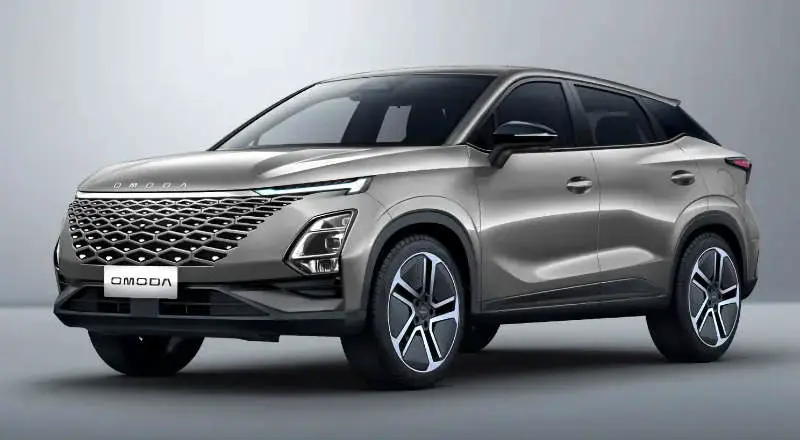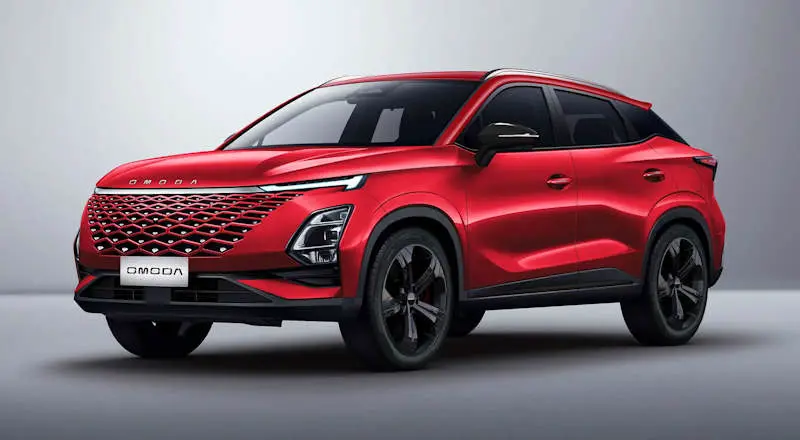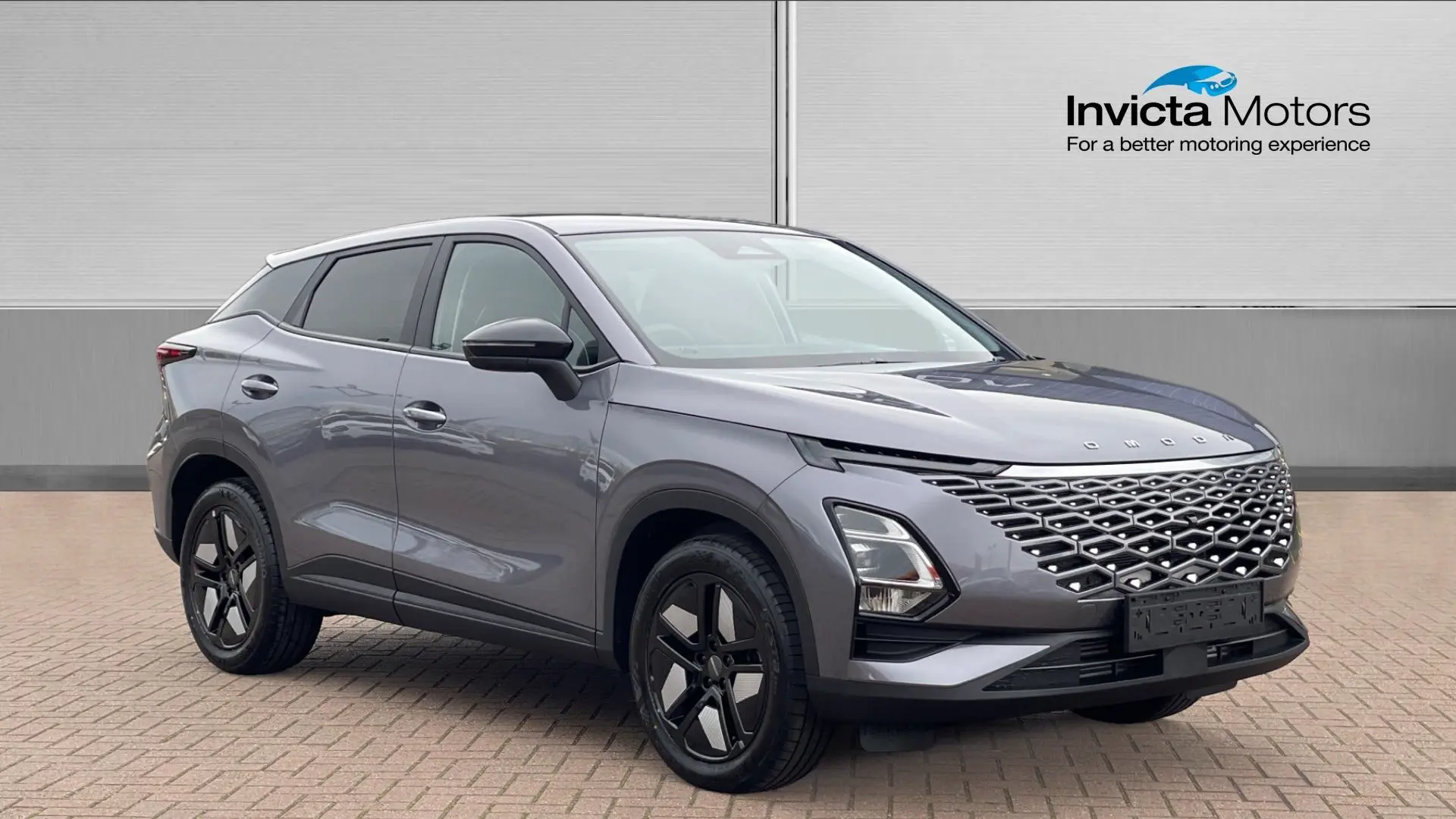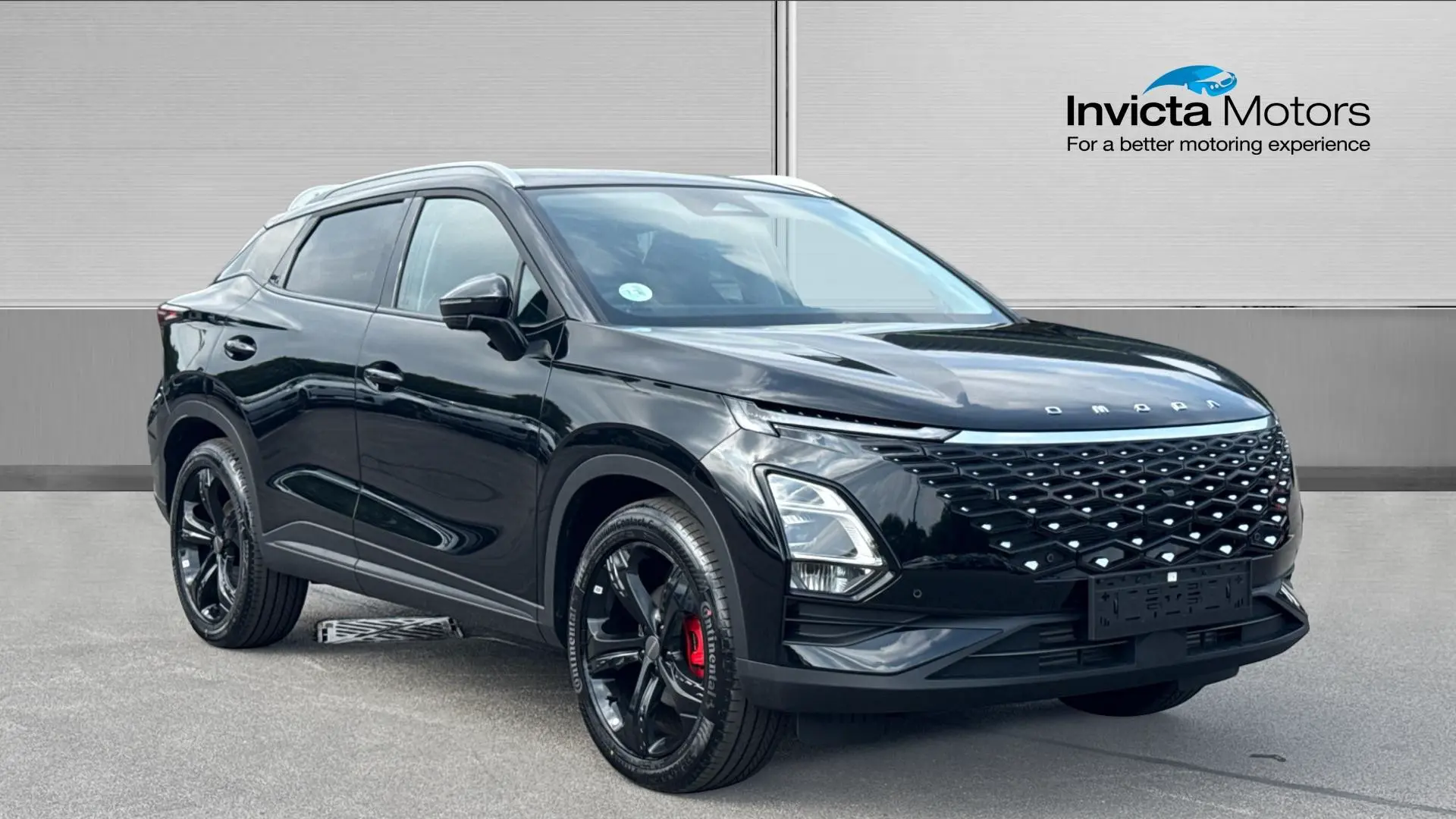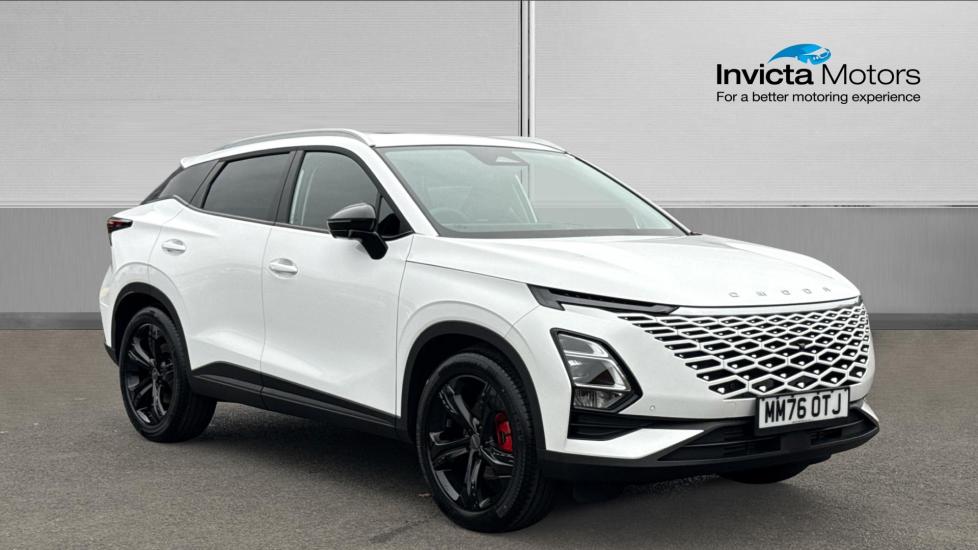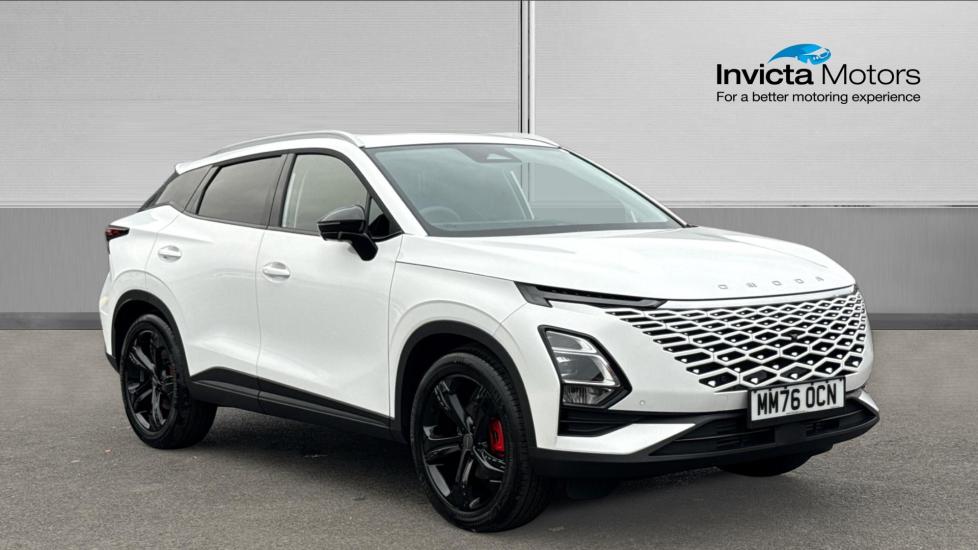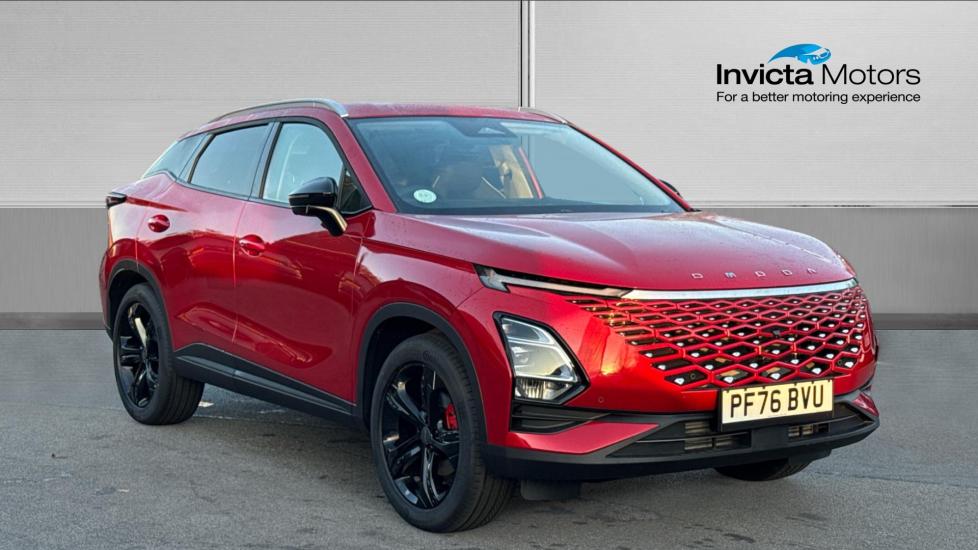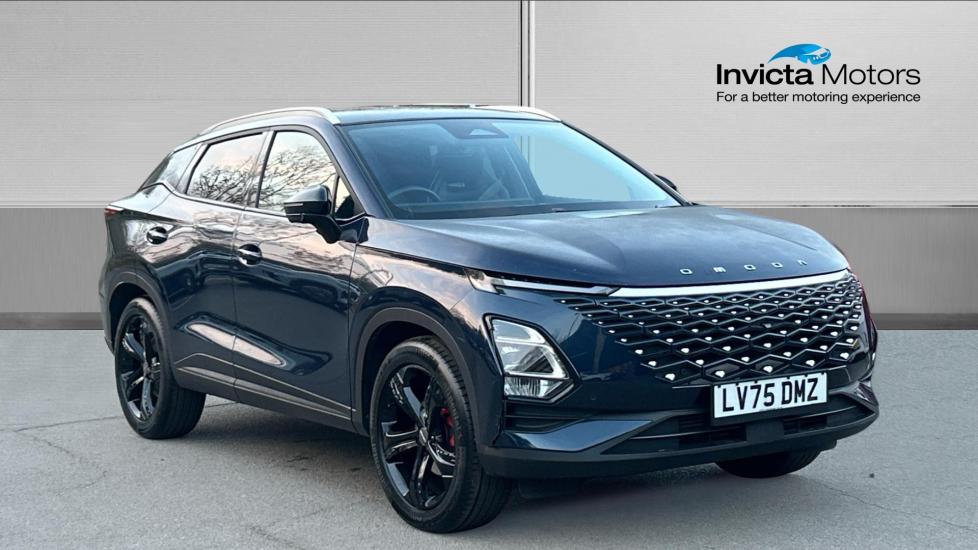



Invicta Motors · OMODA
OMODA 5 MPG: fuel economy and real-world running costs explained
When searching for the true OMODA 5 MPG, what should you realistically expect? It depends on whether you pick the petrol or the SHS-H hybrid. WLTP figures can look tidy on paper, but real-world testing shows a noticeable gap, especially when speed, route and traffic push fuel use up.
At a glance
- Petrol: around low-30s mpg in mixed driving
- SHS-H hybrid: low-to-mid 50s mpg on WLTP
- Real tests: 44.3mpg to 51.0mpg for the hybrid
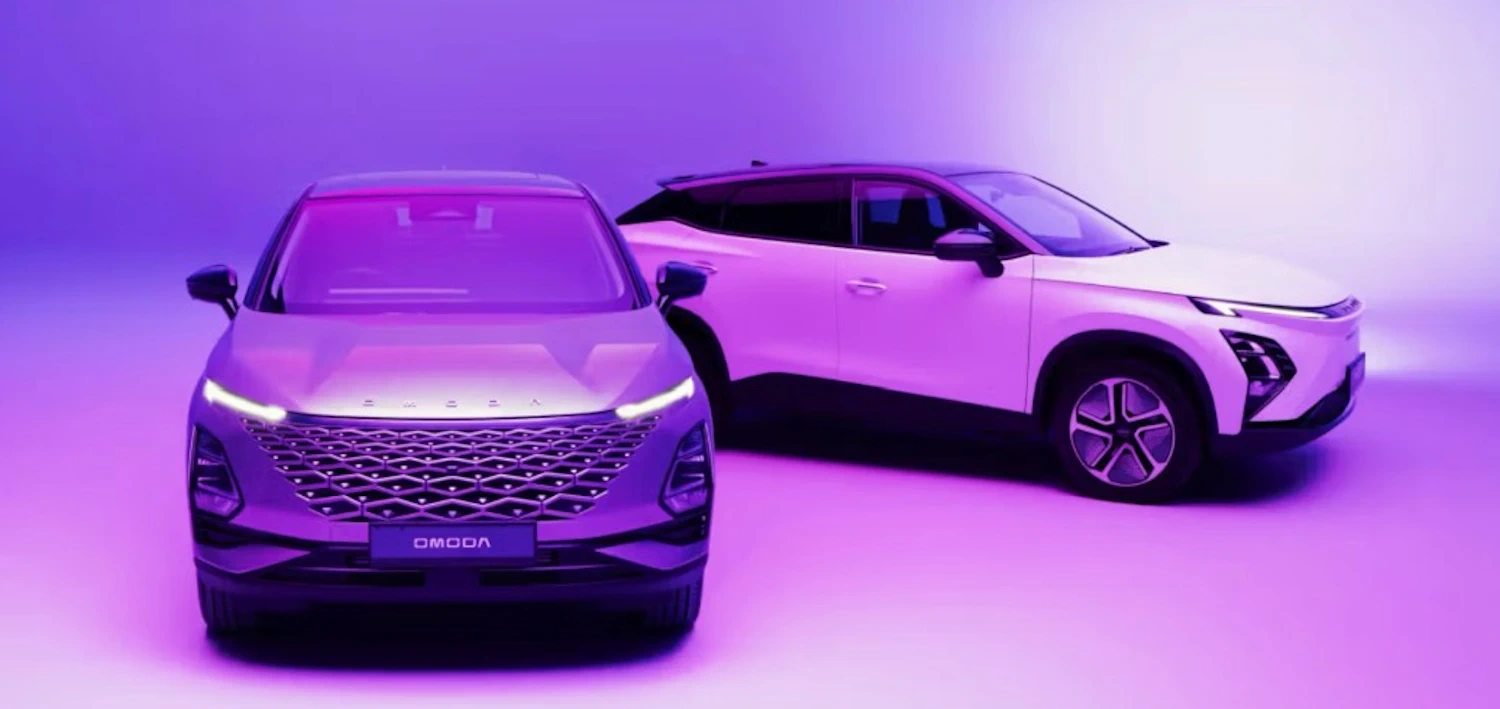
OMODA 5 range
If you want a clear view of running costs, start with the powertrain. The petrol OMODA 5 tends to sit in the low-30s mpg in mixed use, while the SHS-H hybrid can reach the low-to-mid 50s mpg under WLTP but often lands lower in real tests. That matters if you are choosing between a familiar petrol car and a hybrid with a different fuel-use pattern.
Bradley Tunstall notes that the best way to read mpg on a car like the OMODA 5 is to separate test figures from your own driving. WLTP is useful for comparison, but it is not a promise. If your journeys are mostly short, stop-start or at lower speeds, the hybrid can make more sense than the headline number suggests. If your driving is fast and steady, the gap between official and real-world figures can narrow or widen depending on route and conditions.
Why the OMODA 5's mpg figures differ
WLTP gives you a standard comparison point, but it does not recreate every British commute. The OMODA 5 can return very different numbers depending on traffic, road speed, weather and how often the hybrid system is able to recover energy.
An independent mixed-use petrol test is a useful example. OMODA claims about 31mpg, and one reviewer recorded 34mpg over mixed mileage. In the same source, the hybrid version was claimed at 53.3mpg and tested at 51.0mpg on a hilly, faster route around Oxfordshire. That is still close, but it shows how route type can move the figure.
Another independent review found a hybrid result of 44.3mpg against a claimed 52.2mpg combined. That is the kind of gap to expect when you compare official figures with independent testing.
The hybrid tends to be more efficient than the petrol model, but the exact result changes with use. If you mainly drive on faster roads, your real mpg will usually sit lower than the best brochure number. If you spend more time in mixed traffic, the hybrid has a better chance of staying nearer its official figure.
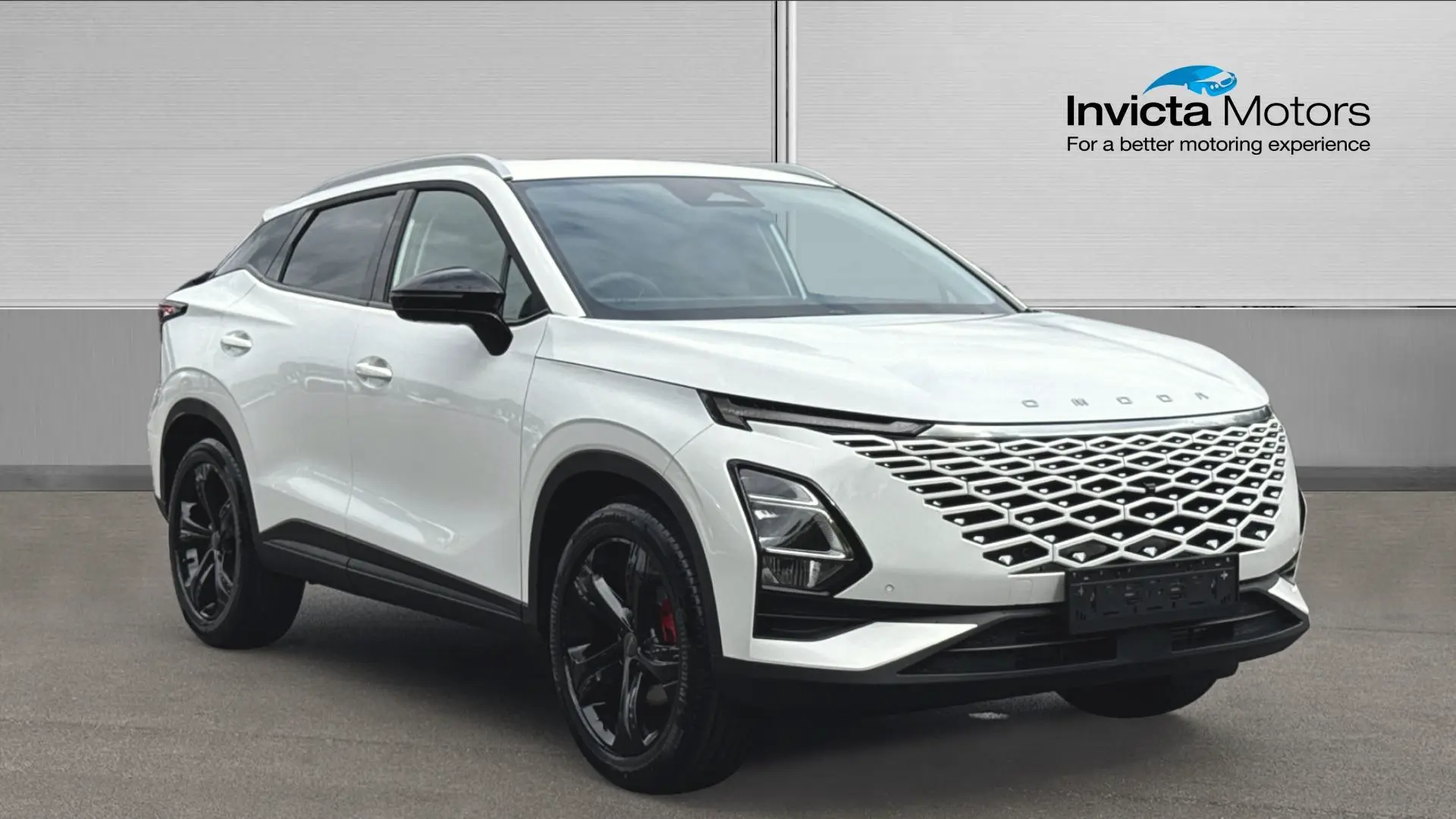
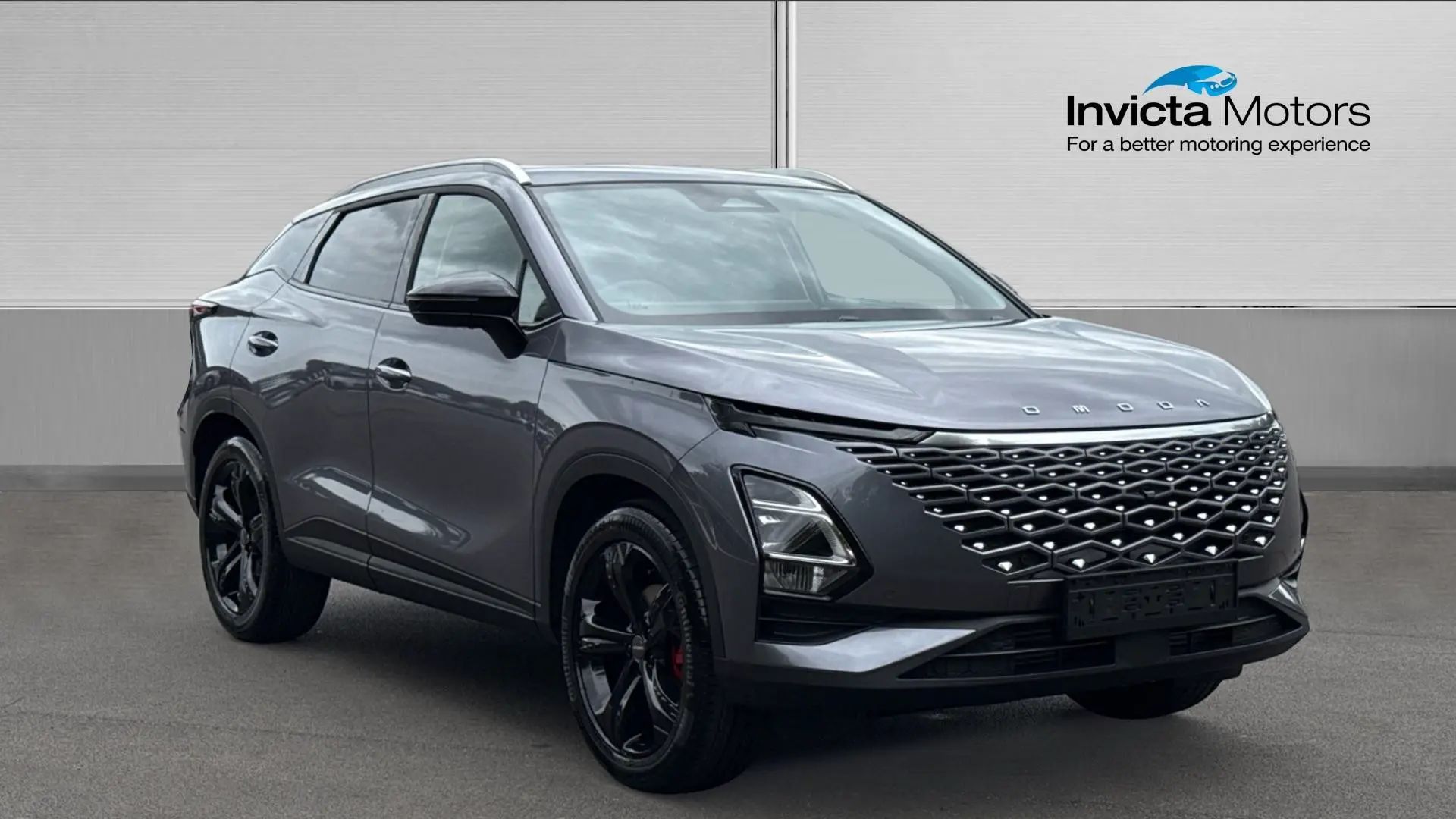
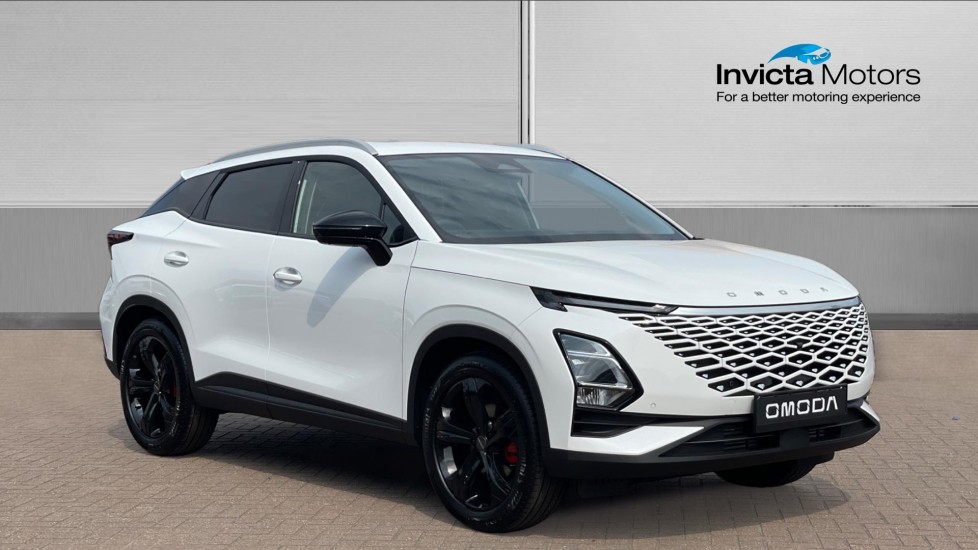
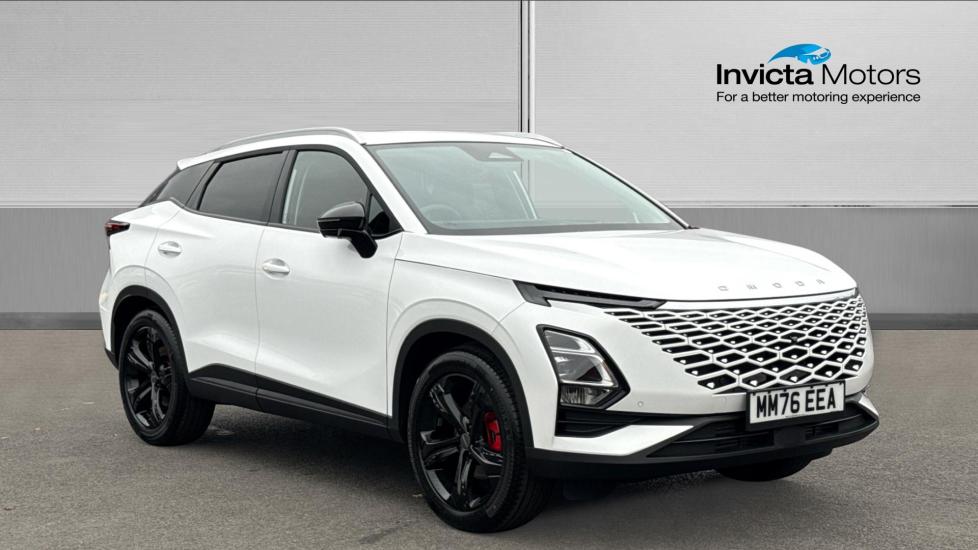
If you want to check how that translates to the car itself, view the current OMODA 5 range at Invicta Motors and compare the latest specification with the team.
How the petrol and SHS-H hybrid systems work to save fuel
The petrol OMODA 5 is the simpler choice. You refuel it in the usual way, and its economy depends on the same factors that affect most petrol SUVs: speed, throttle use, load and traffic.
The SHS-H hybrid is different. OMODA says the SHS-H Hybrid powertrain uses a 1.5-litre turbocharged engine and dual electric motors. The model offers over 650 miles of WLTP driving range per tank of petrol, returning up to 53.3mpg. That gives you a clear picture of the system's job: reduce petrol use by blending engine power and electric assistance, rather than relying on long electric-only running.
An independent review notes that the SHS-H is not designed for a large amount of electric-only driving. That matters because some hybrid buyers expect a plug-in style experience from a self-charging system. The OMODA 5 SHS-H does not work like that. It uses its electric side to support the petrol engine, recover energy and improve efficiency.
That is why the mpg result depends so much on the route. Around town and in mixed traffic, the system has more chances to help. On faster roads, petrol does more of the work and mpg can drop.
Real-world mpg expectations and what to aim for
If you want a practical number, start with a range rather than a single figure. The petrol OMODA 5 can land in the low-30s mpg in mixed use, and independent testing has shown it can beat its claim on some routes. The SHS-H hybrid is the better mpg choice, but real results have ranged from 44.3mpg to 51.0mpg in the tests cited here.
That spread is not unusual. It shows the hybrid is efficient, but still sensitive to the kind of driving you do.
| Use case | Petrol OMODA 5 | OMODA 5 SHS-H hybrid |
|---|---|---|
| Urban and stop-start | Low-30s mpg typical | Often nearer the higher end of its test range |
| Mixed A-roads and town | Low-30s mpg typical | Around the mid-40s to low-50s mpg |
| Faster motorway use | Can stay steady, but not especially frugal | Usually lower than the best quoted result |
A useful way to look at it is simple. If you want the least complicated ownership and do not mind modest economy, the petrol car is easier to read. If you want stronger efficiency and your driving is mixed enough to help the hybrid system, the SHS-H is the one to compare.
The range figures help too. Invicta Motors lists over 650 miles of WLTP driving range per tank for the SHS-H. Independent specifications sources quote a range band of 350–576 miles and fuel economy of 31.2–51.4 mpg for the OMODA 5 line-up. That is enough to show how much the numbers move between versions and sources.
Estimate OMODA 5 running costs using mpg, CO2 and UK taxes
MPG is only part of the picture. CO2, road tax and insurance group can all change the total cost of ownership.
Independent specifications list CO2 emissions of 170g/km for the petrol OMODA and 120g/km for the hybrid. That is one reason the petrol model sits in a more expensive company car Benefit-in-Kind band. The same sources also list road tax at £200. More than one review source shows the same emissions split, which gives the petrol and hybrid versions different tax and company-car starting points.
A simple way to estimate running costs is to work through three questions:
- How many miles do you drive in a year?
- Which mpg figure is realistic for your routes?
- Does your use suit petrol simplicity or hybrid efficiency?
Then split the answer into fuel, tax and insurance. If you do mostly longer motorway trips, the hybrid may still save money, but not as much as the official mpg suggests. If you spend a lot of time in town, the hybrid has a better chance of paying back its higher purchase price through fuel savings.
Road tax and company car use also need a separate look. A car with lower CO2 can be cheaper to run on paper before fuel is counted. That is why it helps to look beyond the brochure mpg line.
What trim should you buy if MPG is your priority
If mpg matters most, the first decision is not the trim badge. It is whether you want petrol or SHS-H hybrid power.
An independent road test says the official WLTP combined figure of 31.1mpg for the petrol model is well off the pace, and recommends stepping up to the hybrid. That does not make the petrol car a poor choice. It means the hybrid is the better fit if fuel economy matters more to you than the simplest purchase.
Use this rule of thumb:
- Choose petrol if you want the lower-cost, simpler option and you do not drive many miles
- Choose SHS-H if you cover mixed journeys and want the better mpg picture
- Check the quote, because pricing and running-cost balance can shift the value case
The OMODA 5 hybrid price starts higher than the petrol model, so it is worth weighing that against the fuel savings you are likely to see. At Invicta Motors, it makes sense to compare the current OMODA 5 specification and offers before deciding. The trim can change the price, but the fuel story starts with the powertrain.
View OMODA 5 SHS-H hybrid and compare the latest details with the Invicta Motors team if fuel economy is near the top of your list.
Fuel-efficiency habits for the OMODA 5 SHS-H
A self-charging hybrid rewards smooth driving. It does not need special treatment, but a few habits help you get nearer the better end of the mpg range.
- Accelerate steadily rather than in bursts
- Leave more space so you can brake less sharply
- Keep your tyre pressures correct
- Avoid carrying extra weight you do not need
- Keep motorway speeds sensible where possible
Those habits matter more in a hybrid because the system gains from calm, predictable use. Sharp throttle inputs, heavy braking and high-speed runs all make it work harder.
The OMODA 5 SHS-H makes most sense when you drive it like a normal daily car and let the hybrid system do its work in the background.
A quick reality-check on the OMODA 5's MPG and running costs
The petrol OMODA 5 can be economical enough for mixed daily use, but the SHS-H hybrid is the better mpg choice. Match the car to your journeys, not just the brochure figure, and you will have a more realistic ownership picture. If you are still weighing it up, a showroom visit is the easiest way to compare the latest specification and current offers.
Frequently Asked Questions
Is OMODA 5 fuel-efficient?
How much is road tax for OMODA 5?
Is the OMODA fuel-efficient?
Do OMODA do a self charging hybrid?
Which OMODA 5 is hybrid?
What are the common problems with OMODA cars?
Sources: OMODA 5 SHS-H Hybrid, Invicta Motors.
Prices, mpg, CO2, tax and range figures can change. WLTP numbers are comparison figures, not promises, and real-world results vary with route, weather and driving style. Confirm the latest specification before you buy.