








































Invicta Motors
How to value your car before Part-Exchanging it: what affects its price?
How do I get a free car valuation that’s accurate enough to negotiate a better part-exchange price? Use a valuation tool that updates from real market data, then check the result against your car's mileage, condition, service history and timing. That gives you a realistic target and helps you see where a dealer is likely to adjust the figure.
Before part-exchanging, get a free car valuation using your registration number and a few key details, then treat the number as a starting point rather than a final answer. You are likely to see a range, because private sale, part-exchange and quick sale figures do not mean the same thing. Once you have the first result, the useful part is checking what might move it up or down before you speak to a dealer.
A good valuation is only useful if you put it in the right context. Start with the free estimate, then make it more accurate by checking the details that matter in the real world: mileage, ownership history, service records, bodywork, tyres and any missing items. If you are part-exchanging, the main question is what a dealer would have to spend before they can retail it.
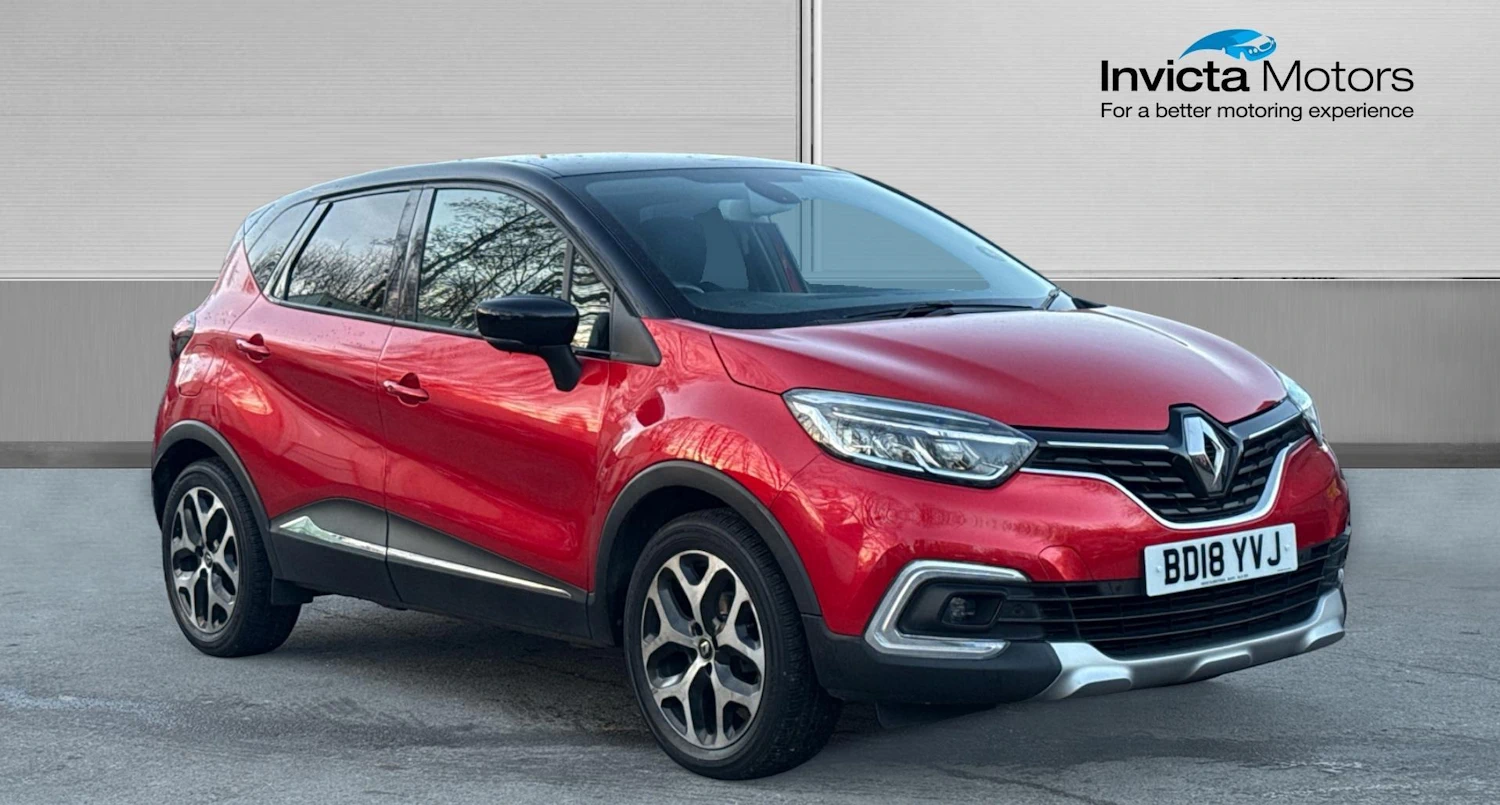
What to expect when getting a free car valuation online
Most free tools ask for your registration number first, then a few more details about the car. That is usually enough to identify the model, trim, fuel type and age, then compare it with current market activity.
Most services say their free car valuation tools are updated regularly using large sets of classified adverts, dealer listings and auction data. Many also explain that users may see different price types, such as private value, part-exchange value, forecourt value and quick sale value. Some free car valuation services also say a registration number and a few other details are enough to provide a no-obligation estimate in minutes.
The result is there to guide you, not replace an inspection. A clean-looking car with high mileage may still return a lower number. A well-kept one with strong history can sit nearer the top of the range.
- Enter your registration number first
- Add the extra details the tool asks for
- Compare the different price types, not just one figure
- Check the estimate against your car's real condition
- Revisit the value close to the part-exchange date
If you want a second view, try more than one free car valuation tool and compare the type of figure it gives, not just the headline number.
What affects your car's price the most before part-exchange?
Dealers are looking at what the car will cost them to prepare and retail. That is why some details matter more than others.
Industry valuation guidance usually shows that fewer owners can help value, while higher mileage tends to lower resale value because of wear and tear. Market guides also tend to treat damaged bodywork, high mileage and poor specification as the main factors that reduce value. Servicing history can increase value, while non-standard changes can reduce it.
Before you submit a valuation, check:
- Service history, including stamped or digital records
- Bodywork, scuffs, dents and windscreen chips
- Tyres, spare key and any missing equipment
- MOT advisories that hint at future repair work
- Optional extras and specification that make the car easier to retail
Missing items matter as well. A dealer will notice them because they affect the cost of getting the car ready for the forecourt. If the car needs paint work, tyres or replacement keys, that usually comes off the offer.
Mileage, depreciation and seasonality
Mileage matters because it changes the picture a car presents. A lower-mileage example often looks easier to resell, while a higher-mileage one can suggest more wear and more risk for the next owner.
Industry guidance says the average mileage in the UK is around 7,600 miles per year (checked 11 November 2026). Some valuation guides say a 10,000-mile difference can swing the price by £500–£2,000 depending on the car (checked 11 November 2026). Market commentary also suggests SUVs and 4x4s can be stronger in autumn and early winter, with September or October sometimes outperforming a March sale by 3–5% (checked 11 November 2026).
Used-car pricing guides also say the value of added extras typically falls to around 50–60% after the first year and 20–25% after five years (checked 11 November 2026). That is a useful reminder that not every option keeps its cost when the car changes hands.
EVs can move a little differently. Battery health, tech expectations and buyer confidence can all affect what you are offered, so it is worth checking the value again close to the handover date.
How trade-in and private sale prices differ
The number you see online is not always the number a dealer will offer. That is normal.
Many valuation tools show four prices: private value, part-exchange value, forecourt value and quick sale value. Dealer-price estimates also usually assume a car with a warranty and no major mechanical, bodywork or paint issues. Some market guides say trade-in offers are typically 10–20% below the online estimate (checked 11 November 2026).
That means the part-exchange figure is usually the one to use for dealer discussions. If the private-sale number is higher, that does not make the dealer wrong. It reflects the extra time, risk and preparation they take on.
A simple way to use the figures is:
- Use part-exchange as your negotiation starting point
- Use private sale as your upper comparison figure
- Ask what would need fixing to move the offer closer to the top end
- Compare the offer with the cost of selling privately, not just the number itself
If you are comparing offers, start with the part-exchange figure you trust most and ask the dealer what is pulling it down.
Can you get a free car valuation without personal details?
Sometimes, yes. Some tools only need a registration number to begin, while others ask for a few extra details to improve accuracy.
Some services say a free, no-obligation quote can be generated from the registration number and a few other details. Other providers explicitly present a free car valuation without email, which suggests that some services keep the first step light. Some also explain why they do not ask for your email before showing an initial estimate.
A sensible trust check is to look for:
- Clear terms and no hidden fees
- What data the tool needs up front
- An explanation of how the estimate is produced
- Whether extra contact details are optional or required
EVs and special cases
Not every car fits neatly into a standard valuation flow. If you do not know the exact mileage, some tools can populate it from the last MOT. That is useful, but it is still worth checking the figure yourself before you submit.
Some cars also carry more history than others. Category S means structural damage that the insurer has not repaired. That does not make the car unusable, but it does affect what a dealer can offer.
General trade-in guidance also says a car should be mechanically sound and have a valid MOT certificate available or easy to obtain (checked 11 November 2026). That is a reminder that condition is not just about appearance. It also affects what the next owner is likely to face after purchase.
Set your target price before you visit the dealer
Do the free car valuation first, then compare the number with your car's condition and the current market. If the offer looks low, ask what repair or preparation costs are being built into it. Then use that answer to decide whether to part-exchange or sell privately.
A fresh check 48 to 72 hours before you hand the car over is sensible, especially if mileage has changed or the car has picked up a new issue. The closer your information is to the sale date, the more useful it becomes.
Frequently Asked Questions
What is the most accurate car valuation site?
How do I find out what the value of my car is?
How can I instantly value my number plate?
Is car valuation free?
Why is my car valuation lower than dealer prices?
Can I get a free car valuation without email?
Prices, valuation outputs and comparison figures can change with market conditions, car condition and timing. Treat any free car valuation as a guide, then confirm the latest specification and offer before you agree to part-exchange.